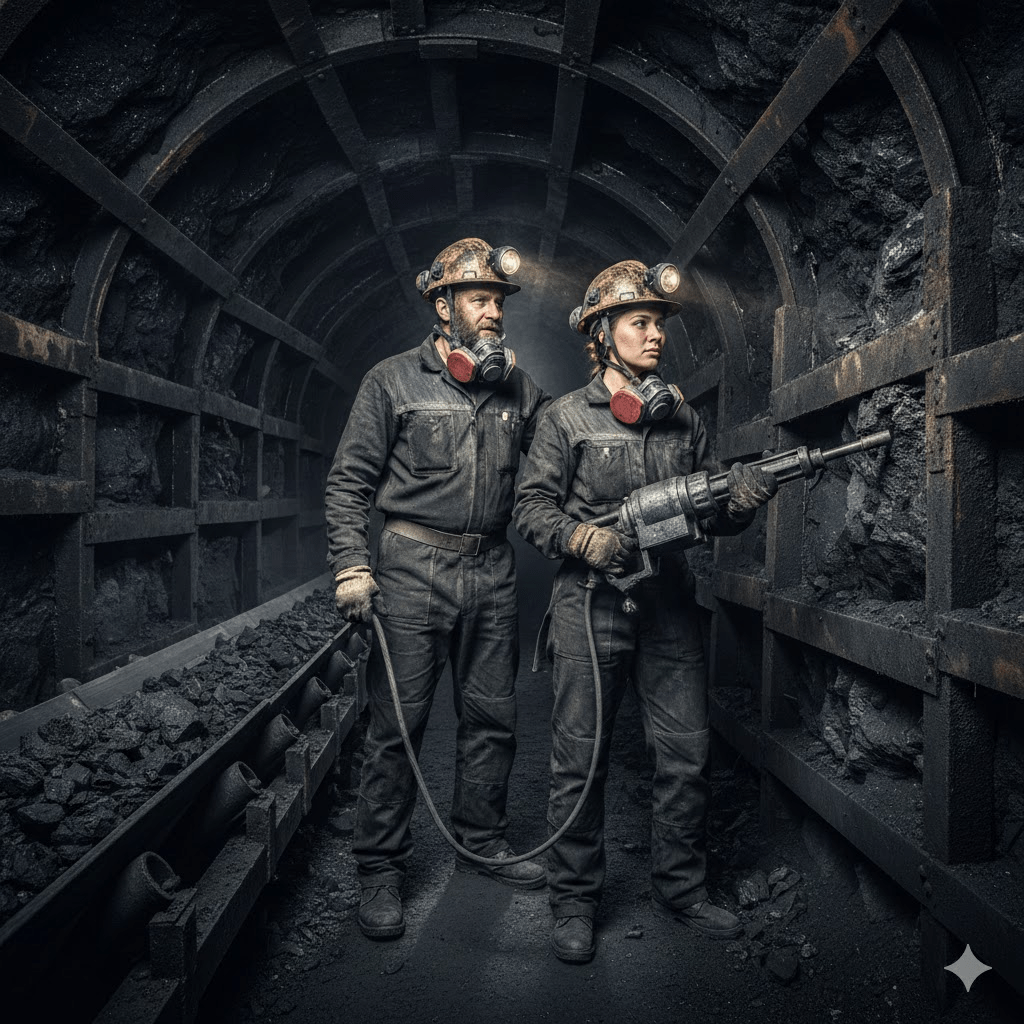
Careers in the Mining Industry
Overview
The mining industry offers a wide range of career paths for individuals interested in geology, engineering, heavy equipment, environmental science, and industrial operations. Mining remains a critical part of the global economy, supplying the raw materials needed for construction, manufacturing, energy production, and modern technology. While the industry has evolved with automation and new safety standards, it continues to provide stable, well‑paid jobs across multiple disciplines.
This page provides an overview of the major career opportunities within the mining sector, the skills required, and the types of work environments professionals can expect.
Major Career Paths in Mining
Mining Engineer
Mining engineers design, plan, and oversee mining operations. They determine the most efficient and safe methods for extracting minerals, evaluate mine layouts, and work closely with geologists and equipment operators. This role requires strong analytical skills and a background in engineering or earth sciences.
Geologist
Geologists study the earth’s structure and identify mineral deposits. They analyze rock formations, conduct field surveys, and help determine whether a site is economically viable for mining. Geologists play a key role in exploration and early‑stage project development.
Heavy Equipment Operator
Operators run the machinery used in mining operations, including haul trucks, loaders, excavators, and drilling equipment. These roles require technical skill, attention to safety, and the ability to work in challenging outdoor environments.
Mine Safety Specialist
Safety professionals ensure that mining operations comply with regulations and maintain safe working conditions. They conduct inspections, train employees, and implement safety protocols to reduce risks associated with mining activities.
Metallurgist
Metallurgists focus on processing and refining minerals after extraction. They work in laboratories and processing plants to improve efficiency, reduce waste, and ensure the quality of final products such as metals and concentrates.
Surveyor
Surveyors map mine sites, measure land boundaries, and provide precise data for planning and construction. Their work ensures that mining operations follow legal boundaries and maintain accurate records of excavation progress.
Environmental Technician
Environmental roles focus on minimizing the ecological impact of mining. These professionals monitor water quality, manage reclamation projects, and ensure compliance with environmental regulations.
Work Environment
Mining careers can involve a variety of work settings, including:
- Surface mines
- Underground mines
- Processing plants
- Exploration sites
- Engineering offices
- Laboratories
Many positions require travel, physical activity, and adherence to strict safety standards. Modern mining operations use advanced technology, including automation, drones, and digital monitoring systems, creating new opportunities for technical and data‑driven roles.
Why Consider a Career in Mining?
Mining careers offer:
- Competitive wages
- Opportunities for advancement
- Specialized technical training
- Work that supports global infrastructure and technology
- Roles for both skilled trades and university‑trained professionals
As the demand for minerals used in electronics, renewable energy, and construction continues to grow, mining remains an essential industry with long‑term career potential.
 commonwealthmining.com